Guided Breathing Exercises
Transform stress into calm, anxiety into focus, and sleeplessness into rest — through ancient and modern breathing techniques guided by Saffron's 4.9★ rated app. Explore 4‑7‑8 breathing, pranayama, and more.
Start Your Free TrialHow Your Breathing Journey Flows
A clear path so you always know exactly what to do next
Set Your Intention
Notice how you're arriving — tired, anxious, scattered, or seeking depth. Choose a simple intention: sleep, calm, focus, or energy.
Pick a Pattern
From 4‑7‑8 to Box Breathing and Zen — each technique is tuned for a different need. Start with the one that feels most supportive today.
Practice 3–10 Minutes
Sit or lie comfortably, follow the rhythm, and give your nervous system a small daily reset. Even a few minutes can measurably shift how you feel.
Build the Habit
Attach your practice to an existing routine — morning coffee, before bed, or between meetings. Consistency over duration creates lasting nervous system change.
Choose Your Breathing Practice
Six guided techniques for meditation, healing, sleep, and peak performance. Start with 4‑7‑8 Breathing or learn the basics in What is Guided Breathing?
4‑7‑8 Sacred Sleep
Ancient yogic technique refined by Dr. Andrew Weil. Inhale for 4, hold for 7, exhale for 8. Activates the parasympathetic nervous system for deep tranquillity and sleep onset.
Deep sleep • Anxiety relief • Spiritual calm
Start PracticeBox Breathing Mastery
The technique used by Navy SEALs and elite athletes. Four equal phases — inhale, hold, exhale, hold empty — create perfect balance between the sympathetic and parasympathetic nervous systems.
Peak performance • Stress mastery • Mental clarity
Start PracticeBuddhist Pranayama
Traditional Buddhist breathing meditation. Slow, mindful breath with gentle pauses cultivates present-moment awareness, inner stillness, and deepening meditation practice over time.
Meditation • Mindfulness • Inner peace
Start PracticeHeart Coherence
HeartMath-based technique using 5-second rhythms to synchronise heart and mind. Breathing into the heart centre reduces cortisol, increases resilience, and cultivates emotional balance.
Emotional balance • Heart health • Compassion
Start PracticeKundalini Breath of Fire
Rapid rhythmic breathing from the diaphragm to build energy, clear mental fog, and activate the body's vitality. Used in Kundalini yoga traditions to elevate both physical energy and awareness.
Energy activation • Vitality • Mental clarity
Start PracticeZen Breathing
Simple, profound Zen practice — natural breath with a longer exhale, counted with gentle awareness. The gateway to deeper meditation, zazen practice, and sustained present-moment attention.
Meditation • Deep presence • Zen practice
Start PracticeWhich Breathing Technique Is Right for You?
Use these gentle suggestions to choose the pattern that meets you where you are right now
When You Can't Sleep
Try 4‑7‑8 Sacred Sleep in bed with the lights off. The extended exhale signals safety to the nervous system and quiets the mental chatter that keeps you awake after 20 minutes.
Before a High-Stakes Moment
Use Box Breathing for 3–5 minutes before a presentation, difficult conversation, or important decision. It creates composure without sedating alertness — exactly what peak performance requires.
When You're Emotionally Overwhelmed
Heart Coherence — breathing into the heart centre with a gentle 5-second rhythm — processes emotional residue faster than thinking about it. Particularly effective after conflict or grief.
To Deepen Meditation
Buddhist Pranayama or Zen Breathing used as a prelude to seated meditation extends the session and deepens the quality of stillness. Many practitioners find 10 minutes of breath work transforms the subsequent meditation.
When You Need Energy
Kundalini Breath of Fire activates the sympathetic nervous system in a clean, healthy way — increasing alertness, clearing brain fog, and building physical vitality without caffeine or stimulants.
During Anxiety or Panic
Start with a simple extended exhale — 4 counts in, 8 counts out — before introducing a full pattern. Once the acute moment passes, move to Box Breathing or 4‑7‑8 for sustained relief.
Why Breathing Exercises Work
The science behind why these techniques produce such consistent and measurable results
Vagus Nerve Activation
Slow, deep exhalation directly stimulates the vagus nerve — the primary pathway of the parasympathetic nervous system. This immediately signals safety to the brain, lowering heart rate, blood pressure, and cortisol within minutes.
CO2 and pH Regulation
Controlled breathing regulates the ratio of oxygen to CO2 in the blood, directly affecting brain chemistry. Slow, rhythmic breathing increases CO2 slightly, producing a calming effect. Rapid breathing (Kundalini) shifts this balance for energising results.
Heart Rate Variability (HRV)
Breathing at specific rhythms — particularly 5-second cycles used in Heart Coherence — measurably improves heart rate variability, a key biomarker of stress resilience and cardiovascular health. Higher HRV is strongly associated with longevity and emotional regulation.
Brainwave Entrainment
Rhythmic breathing synchronises neural oscillations in the brain, shifting from high-frequency beta waves (alertness, anxiety) toward alpha and theta waves (calm focus, creativity, meditation). This is why breathwork prepares the brain for deeper meditation states.
Cortisol Reduction
Regular breathing practice measurably reduces baseline cortisol levels — the stress hormone responsible for chronic anxiety, sleep disruption, weight gain, and immune suppression. Studies show consistent breathwork practitioners maintain lower cortisol under pressure than non-practitioners.
Neuroplasticity Over Time
Consistent breathwork creates structural changes in the brain over weeks and months — thickening the prefrontal cortex (decision-making, emotional regulation) and reducing amygdala reactivity (fear response). The calm you practise becomes the calm you carry.
What You May Notice Over Time
Every nervous system is unique — but these milestones are commonly reported by Saffron practitioners
After a Few Sessions
3–5 minutes at a time
A little more space between thoughts. A softer jaw. A slight drop in tension across the shoulders. The immediate physiological shift is noticeable even in the first session.
After One to Two Weeks
Daily consistency building
Sleep begins to feel less fragmented. It becomes easier to catch stress earlier in the day and reset quickly. Reactions to familiar triggers start to feel different — slightly slower, less automatic.
After a Month
A genuine daily ritual
Breathing feels less like a tool and more like a natural reflex. You reach for it instinctively before stressful moments. People in your life may notice you seem calmer before you do.
Important Safety Notes
- Always practise in a safe, seated or lying position — never while driving or operating machinery.
- If you feel dizzy, lightheaded, or short of breath, stop and return to natural breathing immediately.
- Kundalini Breath of Fire is energising — avoid it in the two hours before sleep.
- If you have a respiratory condition, heart condition, or are pregnant, consult your doctor before beginning breathwork.
- Extended breath retention is not recommended for those with hypertension, epilepsy, or anxiety disorders without medical guidance.
- Breathwork is a complement to, not a replacement for, professional mental health support.
Breathing Exercise FAQs
Clear, evidence-based answers to the questions people ask most
How Breathwork With Saffron Feels
Real reflections from practitioners using these techniques to calm, focus, and heal
"Box breathing with Saffron became my 3-minute reset between meetings. My stress levels dropped and I stopped snapping at people I love."
"The 4-7-8 Sacred Sleep practice is now part of my bedtime ritual. I fall asleep faster and my mind doesn't spin like it used to."
"Heart Coherence helped me through a really emotional time. The gentle focus on breathing into my heart felt like a hug from the inside."
"I use Saffron's breathing timer before important calls. Five minutes of steady box breathing and I'm actually present instead of scattered."
"The app makes breathwork feel sacred, not clinical. The language, visuals, and timing all work together to calm my nervous system."
"I'd read about pranayama before but never stuck with it. Saffron's guided sessions finally made it part of my actual daily routine."
"I'm a paramedic. Decompressing after difficult shifts was nearly impossible. Five minutes of box breathing in the car park before I go home changed everything."
"Kundalini breath of fire replaced my second coffee. I had no idea breathing could be energising. My afternoon focus is completely transformed."
"I have a public speaking phobia. Three minutes of box breathing before I walk on stage has made something I used to dread manageable."
"My therapist suggested breathwork as a complement to CBT. Saffron is what I found. The two work so well together I've halved my session frequency."
"I'm 67 and thought breathing exercises were for younger people. Saffron proved me completely wrong. My blood pressure medication has been reduced since I started."
"Running a company means my mind is always racing. Zen breathing before bed is the only thing that fully switches it off. I sleep through the night now."
"After my C-section I was traumatised and anxious. The Heart Coherence session helped me feel safe in my own body again. I'm profoundly grateful."
"I do the Buddhist pranayama before my meditation sits. The quality of my meditation sessions has completely transformed — deeper, quieter, more natural."
"I'm a secondary school teacher. Thirty teenagers and constant noise all day. Box breathing between classes is the only reason I haven't lost my mind."
"Three weeks of daily 4-7-8 practice and my smart watch shows my resting heart rate dropped by 8bpm. The data matches exactly how I feel."
"I was sceptical that breathing could do anything meaningful. By the fourth session I was converted. The effect on my anxiety is measurable and consistent."
"MRI scans terrified me. My radiographer told me to breathe slowly. I had no idea how until Saffron. Now I go through them without sedation."
"I introduced box breathing to my sales team before pitch calls. Our close rate went up. I'm only partly joking when I say it was the breathwork."
"Menopause brought anxiety and hot flushes I couldn't control. The Heart Coherence session during flushes reduces their intensity noticeably. A genuine lifeline."
"I used to hyperventilate when anxious. Saffron taught me what my breath actually feels like when it's calm. Now I can return to that baseline intentionally."
"I'm a GP and I now recommend Saffron's breathwork programme to patients before prescribing anxiolytics. The results I'm seeing are consistently encouraging."
"Grief made breathing itself feel difficult. The Zen breathing session gave me somewhere to rest that wasn't pain. It was the first real relief I found."
"My teenage son was having panic attacks at school. We practised box breathing together at home. He now uses it independently. It changed his year."
"I'm a professional cyclist. The pranayama breathwork has improved my lactate threshold more than any training modification. My coach is baffled."
"Climate anxiety was making me feel helpless. Box breathing gives me something I can control when everything else feels out of control. That matters."
"I use Saffron in airport lounges, on trains, in waiting rooms. The sessions are short enough to fit anywhere and I arrive at everything calmer."
"Six months of daily pranayama and my partner says I'm a different person. I haven't changed anything else in my life. It really is just the breathing."
"As a musician, performance anxiety was destroying my joy. Five minutes of box breathing before every gig gave me my instrument back. I can't thank Saffron enough."
"I work with refugees and the emotional load is intense. The Heart Coherence session after difficult days refills something I didn't know was emptying. Essential practice."
"I'm 72 and started breathwork on my GP's suggestion. My friends have noticed the change more than I have. Apparently I smile more. I feel more at peace."
Simple, Transparent Pricing
No hidden fees. Cancel any time. All breathing techniques and 500+ sessions included from day one.
- ✦ All 6 breathing techniques
- ✦ 500+ Guided Meditations
- ✦ Sleep & Anxiety Sessions
- ✦ Offline Download Access
- ✦ Progress Tracking
- ✦ Everything in Monthly
- ✦ Priority Support
- ✦ Exclusive Annual Content
- ✦ New Content Weekly
Free trial included. No card required to start.
Breathwork Guides & Science
Deep dives into the techniques, the physiology, and the practice of conscious breathing
Physiological sigh, box breathing, 4-7-8, and the mammalian dive reflex — seven evidence-based methods that work in under five minutes.
The vagus nerve, the parasympathetic override, and why the exhale is the only phase of breathing that directly slows your heart.
Includes the 3-Minute Emergency Calm (4-7-8 breathing), the 5-Minute Breath Reset, and the Sound Bath Opener — breath-first mornings.
Inhale for two steps, exhale for two. How synchronising breath with movement creates a meditative rhythm that calms the nervous system.
Each chakra has a seed mantra voiced on the exhale — LAM, VAM, RAM, YAM, HAM, OM. Breath as the vehicle for energy work.
Weeks 1 and 2 are built entirely on breath awareness — the foundation skill from which every other technique grows.
The app's guided breathing sessions — from 3-minute box breathing to 15-minute pranayama — with streak tracking and reminders.
What Breathing Practice Made Possible
From breaking marathon records to eliminating panic attacks — real stories powered by the breath.
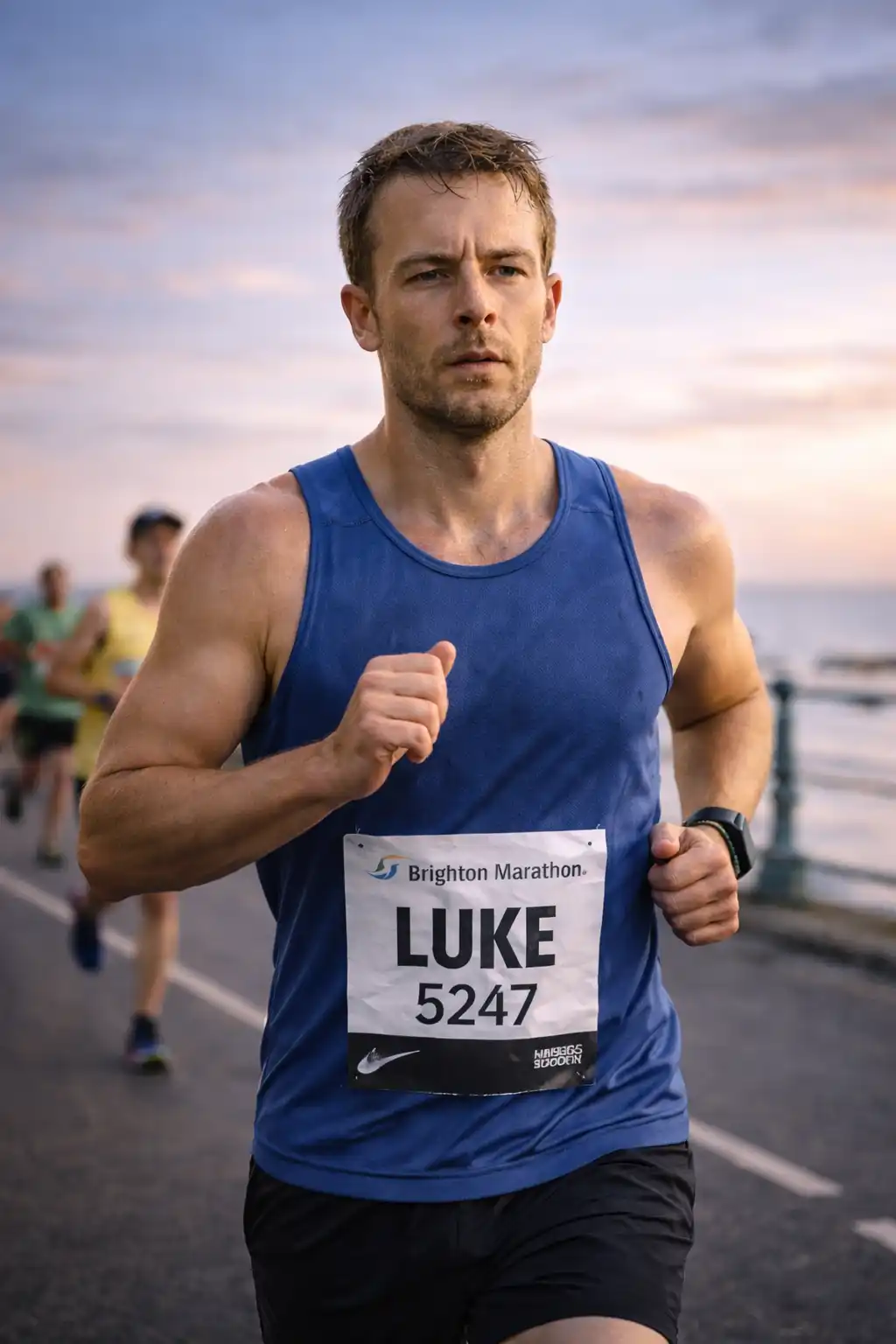
Nadi Shodhana every morning. Kapalabhati before every run. Extended exhale after. Six months of breathwork expanded his CO2 tolerance and broke the four-hour barrier.
Read story →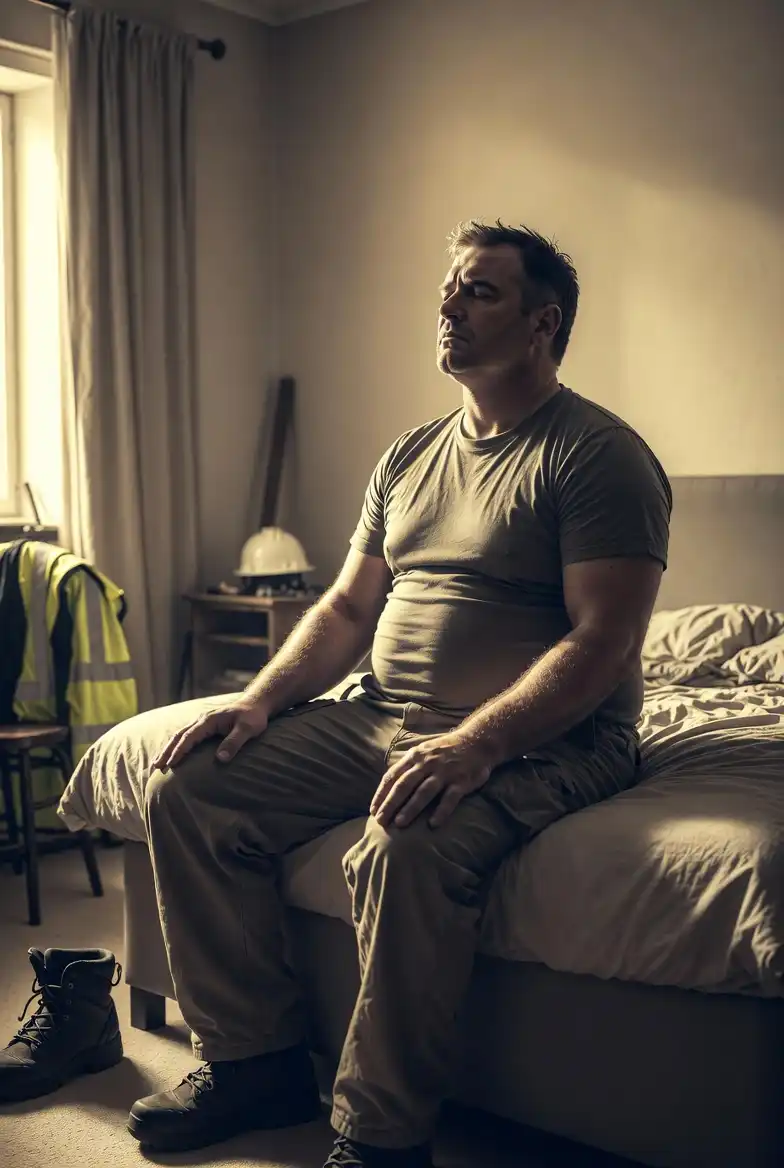
Box breathing every morning to build CO2 tolerance. Extended exhale every evening to reset the parasympathetic system. Four months from weekly panic to zero.
Read story →
One minute settling, one minute box breathing, one minute silence. Before every service. Errors dropped 40%. Shouting stopped entirely. The food got better.
Read story →
Breath awareness with body scan every morning. Blood pressure down 12 points. Resting heart rate from 82 to 68. The breath as the foundation for a calmer nervous system.
Read story →
Three breaths. Five seconds. Thirty times a day. The smallest breathing practice in this collection — and one of the most powerful. It saved a medical career.
Read story →Make Breathing Your Daily Reset
Start your free trial and access all 6 guided breathing techniques plus 500+ meditation sessions.
4.9★ rated • Free trial included • Cancel any time