★★★★★
"The daily Dharma messages have become one of my favourite parts of the day. It's amazing how often the teaching seems to arrive exactly when I need it."
Unlock your hidden potential through the revolutionary combination of specialized breathing techniques, gradual cold exposure, and commitment. Scientifically proven to boost immunity, increase energy, reduce stress, and push the boundaries of human capability.
Independent educational guide. Saffron Teachings is not affiliated with, or endorsed by, Wim Hof or Innerfire BV.
A scientifically validated method to tap into your deepest potential
Wim Hof, known as "The Iceman," has developed a powerful method that combines specific breathing techniques, cold exposure, and mindset training. This method has enabled him to accomplish extraordinary feats, including climbing Mount Everest in shorts, running a marathon in the desert without water, and sitting in ice for nearly 2 hours.
"We can do more than what we think. It's a belief system that I have adopted, and it has become my motto. There is more than meets the eye, and unless you are willing to experience new things, you'll never realize your full potential."
More importantly, Wim Hof has made these seemingly superhuman abilities accessible to everyone through his method, which has been validated by multiple scientific studies showing its effects on the immune system, inflammation, and mental health.
The foundation of the Wim Hof Method
Specialized breathing exercises that increase oxygen levels, balance the nervous system, and create an alkaline state in the body. This controlled hyperventilation followed by retention phases triggers profound physiological changes.
Gradual exposure to cold triggers numerous physiological adaptations. From cold showers to ice baths, this practice strengthens the cardiovascular system, boosts metabolism, and reduces inflammation.
The foundation that brings breathing and cold exposure together. A focused mindset and dedication to the practice unlock the method's full potential, teaching you to master your own body and mind.
Step-by-step guide to the revolutionary breathing method
Perform this technique in a safe environment, never while driving or in water. Start seated or lying down in a comfortable position.
Inhale deeply through nose or mouth, exhale relaxed. No pause between breaths. Feel the oxygen saturating your body.
After last exhale, hold with empty lungs. Relax and hold until you feel the urge to breathe.
Inhale deeply and hold for 15 seconds. Feel the oxygen spreading through your body.
Complete 3-4 rounds total. Each round may allow longer breath holds.
The full technique - every step, the physiology, and the safety rules - is taught in our complete Wim Hof breathing guide.
Building resilience through gradual cold adaptation
End warm showers with 15-30 seconds of cold water. Focus on calm breathing.
Increase to 1-2 minutes of cold water. Practice relaxation in the cold.
Take complete cold showers. Start with 2-3 minutes, build gradually.
Begin with ice baths at 10-15°C for 2-5 minutes.
Longer ice baths, colder temperatures, outdoor cold exposure.
For the evidence on cold water and a four-week starting ramp, see cold shower benefits.
What the breathing does to your body, the one rule that is never optional, and who should not practise without medical advice
Done sensibly, on dry land, by a healthy adult, the Wim Hof breathing and gradual cold exposure are generally well tolerated. But the breathing is a form of controlled hyperventilation followed by breath holds, and that combination can make you faint with little warning. Most of the method's real dangers come from where and how you practise, not from the technique itself.
The breathing lowers carbon dioxide, which can cause lightheadedness, tingling in the hands and face, and, if pushed, a temporary loss of consciousness. Those first sensations are normal; a blackout is not the goal and is dangerous in the wrong place. This is not a competition — never chase longer breath holds, and stop the moment you feel genuinely unwell rather than pushing through it.
Cold water is a shock to the cardiovascular system. Sudden immersion spikes heart rate and blood pressure and, in anyone with an underlying heart condition, can be dangerous. Build up gradually from cold showers rather than jumping to ice baths, keep early ice baths short and never do them alone as a beginner, and get out if you start shivering uncontrollably or lose feeling. Building tolerance is not the same as adding time.
Speak to your doctor before you start if any of these apply to you:
This is an independent guide, not medical advice, and it is not affiliated with Wim Hof or his organisation. If in any doubt, check with a qualified clinician before you begin — and always practise the breathing seated or lying down, well away from water.
Research-validated effects of the Wim Hof Method
Studies show practitioners can voluntarily influence their immune response, reducing inflammatory markers.
Increases metabolic rate, activates brown adipose tissue, and boosts mitochondrial function.
Lowers cortisol levels, improves stress resilience, and enhances emotional regulation.
Many practitioners report improved perceived energy and recovery; formal performance evidence is limited so far.
Practitioners commonly report better focus and mood; it is a practice, not a treatment for anxiety or depression.
Cold exposure trains the blood vessels to constrict and dilate on demand; anyone with a heart condition or high blood pressure should speak to a GP first.
Building a sustainable Wim Hof Method routine
Monitor these key indicators:
Solutions to typical obstacles in your practice
Normal response: Tingling in hands, feet, or face is common due to changes in CO2 levels. This is temporary and harmless. Reduce intensity if uncomfortable.
Solution: Ensure you're lying down or seated. Never practice standing up. Reduce the number of breaths or intensity if symptoms persist.
Technique: Focus on exhaling longer than inhaling. Count your breaths. The shock passes within 30 seconds as your body adapts.
Tips: Start small (15 seconds), track progress, find an accountability partner, celebrate small wins, focus on how you feel after rather than during.
Taking your practice to the next level
"The cold is merciless but righteous. It teaches you to be present, to be humble, and to find strength you didn't know existed. Every time you choose to face it, you become stronger than you were before."
Enhancing the method with synergistic techniques
The Wim Hof Method shares similarities with ancient practices and can be powerfully combined with:
The Tibetan "inner fire" meditation that inspired Wim Hof. Combines visualization, breathing, and muscle contractions to generate internal heat.
Complement WHM with yogic breathing: practice Bhastrika for energy, Nadi Shodhana for balance, and Bhramari for calming after intense sessions.
Use the heightened awareness from breathing and cold exposure as a gateway to deeper meditation. The method naturally cultivates present-moment awareness.
The method descends from a Tibetan Buddhist practice of inner fire - our tummo vs Wim Hof guide traces what was kept and what changed.
"The daily Dharma messages have become one of my favourite parts of the day. It's amazing how often the teaching seems to arrive exactly when I need it."
"Saffron feels different because there's something new to come back to each day. The guided sessions are easy to follow and never feel overwhelming."
"I started with the short guided meditations because I was completely new to meditation. A few months later and I'm now meditating almost every morning."
"It goes deeper than simply telling you to breathe and relax. The Dharma teachings explain why we practise and give you something meaningful to carry into everyday life."
Key questions people ask before adding the Wim Hof Method to their routine.
No. This guide assumes you’re new to structured breathing. We start with clear safety rules, then walk you through the first 3–4 rounds step‑by‑step so you can build confidence gradually.
Most people do 1 session per day (3–4 rounds), ideally in the morning on an empty stomach. You can add a second light session later in the day once your body is used to it, but rest days are still recommended if you feel drained.
The Wim Hof Method can support mental health and focus, but it’s not a replacement for medical care, therapy, or prescribed treatment. Think of it as a powerful adjunct practice alongside professional support and healthy lifestyle choices.
If you are pregnant, have serious heart or blood‑pressure issues, epilepsy, or other significant medical conditions, you must speak with your doctor first. Never practice breathing in water, while driving, or in any situation where fainting would be dangerous.
Many people feel tingling, warmth, or calm after the very first session. Clearer energy, better stress‑response, and improved cold tolerance typically build over 2–6 weeks of consistent, sensible practice.
Complementary techniques, the science behind autonomic control, and practices that pair with your Wim Hof sessions
Wim Hof activates the sympathetic system. These seven techniques — physiological sigh, box breathing, 4-7-8 — activate the parasympathetic. The ideal post-session cooldown.
The vagus nerve, CO2 chemoreceptors, and the Bohr effect — the physiological mechanisms that Wim Hof breathing manipulates, explained in plain language.
After the intensity of power breathing and cold exposure, these gentler routines — body scan, gratitude sit, breath awareness — complete the morning practice.
The retention phase of Wim Hof breathing is an ideal window for body scan practice — heightened interoception meets systematic attention through the body.
Wim Hof breathing floods the body with prana. Chakra meditation gives that energy direction — from root to crown. A powerful combination for experienced practitioners.
If you're new to breathwork, start here. Simple breath awareness and body scan build the interoceptive skills that make Wim Hof sessions safer and more effective.
A slow, mindful walk after cold exposure deepens the parasympathetic rebound. Breath-step synchronisation grounds the heightened awareness that Wim Hof creates.
Real stories of people who used breath control to push past physical limits, rewire their nervous systems, and change their lives.
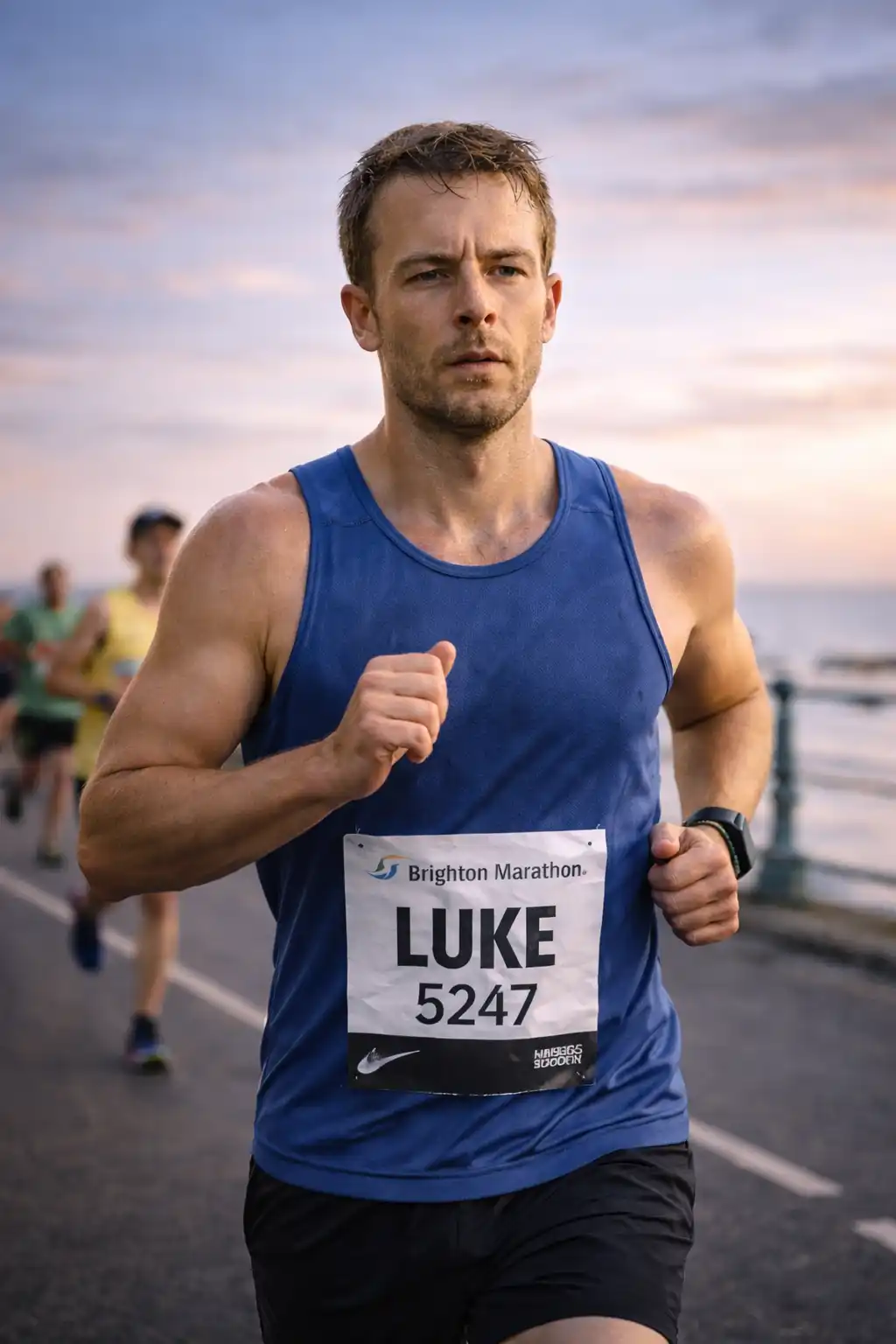
Kapalabhati — rapid forced exhales, the traditional ancestor of Wim Hof power breaths — raised Luke's BOLT score from 18 to 32 seconds. His marathon time went from 4:12 to 3:58. CO2 tolerance is the shared mechanism: the ability to stay calm when the body screams for air.
Read story →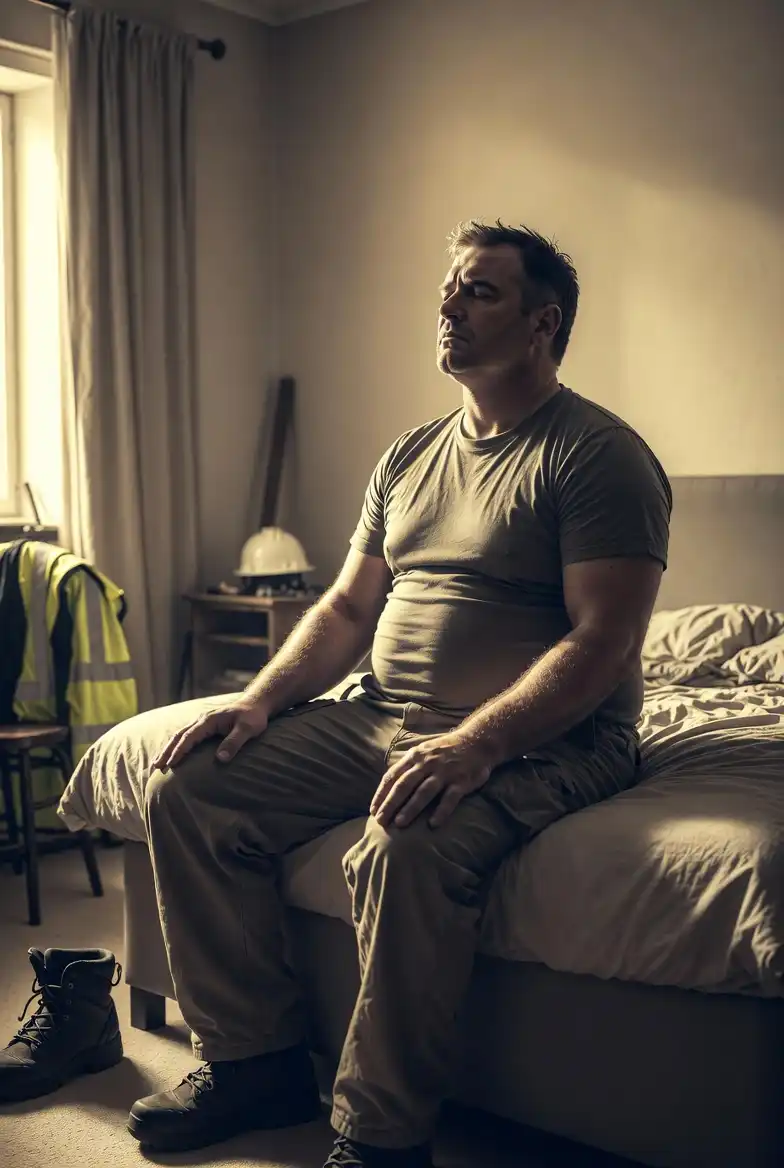
The same principle Wim Hof uses — deliberately stressing the nervous system with breath to build tolerance — applied gently. Morning box breathing raised her CO2 threshold. Evening extended exhale trained parasympathetic activation. Four months: weekly panic → zero.
Read story →
Like Wim Hof practitioners use breathwork before cold exposure, Isabella's team uses box breathing before the heat of service. Controlled breath before controlled stress. Errors dropped 40% and shouting stopped entirely.
Read story →
Wim Hof practitioners report lower resting heart rate and reduced blood pressure. David achieved the same results with 15 minutes of daily breath awareness — proof that consistent breathwork physically rewires the autonomic nervous system.
Read story →
Burnout is chronic sympathetic nervous system overactivation — the opposite problem to what Wim Hof addresses. But the tool is the same: breath. Amit used daily breath practice to rebuild parasympathetic capacity and reverse severe burnout.
Read story →Transform your life through the power of breath and cold
The Wim Hof Method is more than a practice—it's a path to discovering your true potential. With consistent practice, you'll not only build physical resilience but also develop unshakeable mental strength and a profound connection with your body.
"Breathe motherf*cker! The mind may say no, but the body says yes. Go deep within yourself and find that strength. You are stronger than you think."